





>
DEFINE YOUR LIFESTYLE WITH TYTAX®
>
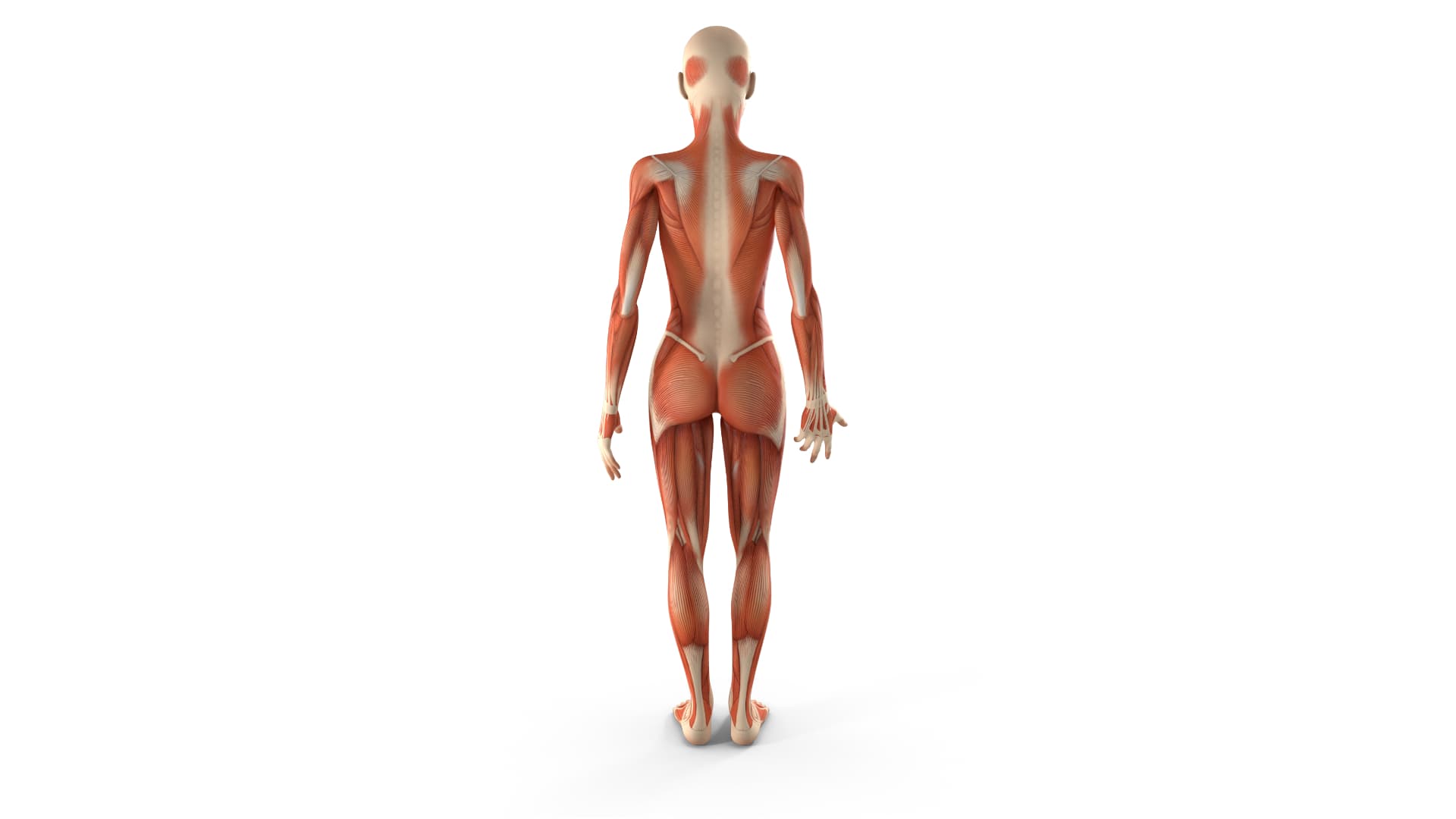
The back muscles, concentrated along the spinal area, are pivotal for stabilizing the spine, maintaining proper posture, and managing movement in the back. These muscles are categorized into several groups, each serving distinct functions.
Located in the upper back, this group includes the broad back muscle and the widest back muscle, which are instrumental in shoulder movements such as pulling the shoulders back, lifting the arms, and rotating the arms outward.
Situated alongside the spine, the pinion muscles (anterior, posterior, and inferior) play a key role in stabilizing the spine. They are specifically responsible for the movement of the scapula, including its raising, lowering, and rotation.
These muscles in the lower back, comprising lumbar and sacral muscles, support spinal stability, maintain posture, and aid in pelvis stabilization.
Although not back muscles per se, the gluteal muscles significantly contribute to pelvic stability and back movement. Comprising the gluteus maximus, medius, and minimus, these muscles are vital for pelvic movement and overall balance and posture. Integrating back and gluteal muscle exercises into a training program is essential for comprehensive strengthening and stability of the lower back and buttocks.
The neck muscles, integral to the upper back, are crucial for stabilizing the neck, head, and cervical spine. They facilitate various head movements like twisting, tilting, and lifting, while also helping to maintain proper posture and cervical spine stability.
Included in this group are the quadriceps muscle of the head, the cranial neck muscles (supraspinatus and infraspinatus), and other smaller muscles that control neck movements. Strong neck muscles are essential for supporting the head and ensuring spinal health. Neglect can lead to degenerative changes in the cervical spine, headaches, and upper back pain.
Incorporating neck muscle exercises into your regimen improves strength, flexibility, and stability, and can alleviate pain and tension. It's crucial to include a balanced combination of exercises for both the back and neck muscles in any training program, ensuring comprehensive support for the entire back. Consulting a trainer or health professional before starting a new program is advisable to customize it to your needs and capabilities.
Training should include exercises without additional weights, exercises with weights, and stretching. Explore various exercise combinations on the TYTAX MX.
Stretching exercises for the back muscles offer numerous health benefits, including reduced muscle tension. Tight back muscles can cause pain and discomfort; stretching helps relax these muscles, providing relief.
Regular back muscle stretches increase muscle flexibility, improving range of motion—important for those with sedentary lifestyles or who spend long hours at a desk.
Additionally, strong and flexible back muscles are crucial for maintaining proper posture. Stretching aids in proper spinal alignment, preventing back pain and postural issues.
These exercises also stimulate blood circulation in the back, enhancing oxygen and nutrient delivery to tissues, and facilitating toxin removal.
Furthermore, stretching exercises can induce relaxation and reduce stress. They encourage a focus on breathing and muscle relaxation, helping to ease tension and calm the mind.
Regular practice of back muscle stretching, ideally alongside other physical activities such as strength training or aerobic exercises, is important for overall health.
The significance of stretching exercises extends beyond relaxation. They address muscle tension potentially caused by poor posture at work or improper sleeping positions. Effective stretching should involve multiple muscle groups, ligaments, and tendons, and be performed repetitively, sometimes to the point of slight discomfort.