






>
DEFINE YOUR LIFESTYLE WITH TYTAX®
>
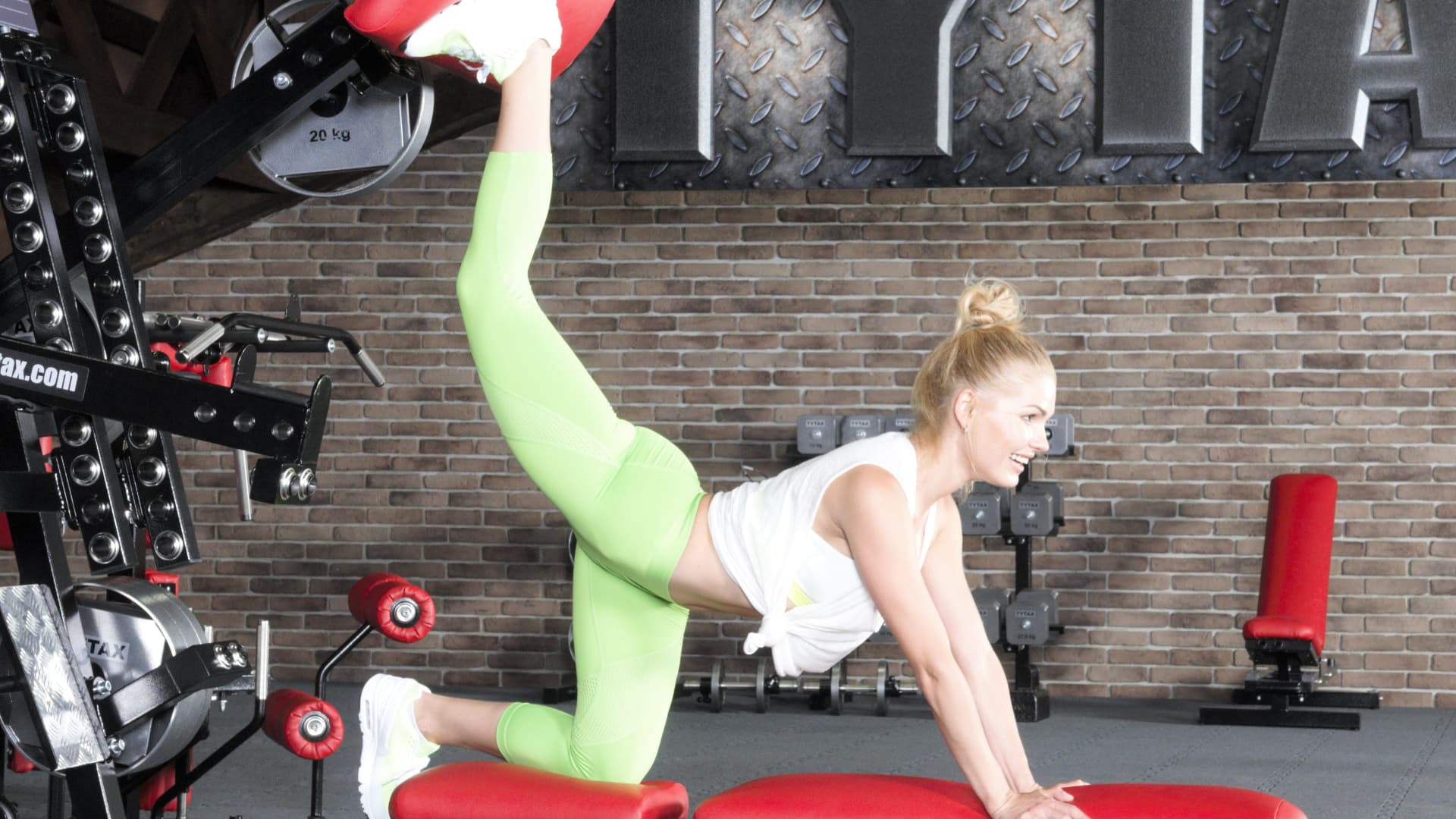
While everyone has buttocks, beautifully shaped and firm buttocks are less common. As the foundation of a shapely figure, they are coveted by many. Some women naturally have well-shaped buttocks, yet they might lack firmness. If you are dissatisfied with the appearance of your buttocks, especially as they change over the years, consider starting an exercise routine. Although your body type and genetics play a role, almost every woman can improve her figure to look better in jeans. Cosmetic surgery offers solutions like implants for lifting and reshaping buttocks after significant weight loss, but a more effective method is to integrate exercises into your daily routine that target not only the buttocks but the entire body for a well-rounded, feminine shape.
It is vital that your exercise regimen is systematic and effective, as beautifully sculpted buttocks result from long-term specialized training. Once you achieve your goal of firm, visually appealing buttocks, regular exercise will maintain their appearance. A variety of exercises that target the buttocks can be performed with or without additional equipment, emphasizing the importance of a diverse workout routine.
The buttocks consist of three primary muscles: the gluteus maximus, medius, and minimus. These muscles support the pelvis, stabilize the hip joints, allow for hip movement, and are crucial for overall bodily function. Strong gluteal muscles not only help shape the buttocks but are also essential for good musculoskeletal health, stabilizing the body and protecting the hip joints. The gluteus maximus, the largest of these muscles, significantly influences the buttocks' shape and overall body function. Research shows that people with hip pain often have weakened gluteal muscles, which can lead to joint damage and affect the ability to perform weight-bearing activities. Strengthening these muscles is recommended as a first-line treatment for various hip problems and can improve daily functionality.
Regular sedentary activities like sitting at a desk can weaken the buttocks. Simple movements such as climbing stairs and walking engage these muscles, but targeted exercises are necessary to achieve the ideal shape. Squats, for instance, are highly effective as they work the buttocks, thighs, and core muscles. You can perform squats with just your body weight or with additional weights like dumbbells or barbells. Consistently performing high-efficiency exercises, especially those that target the buttocks, is crucial for visible results.
Lunges also effectively strengthen the buttocks, engaging both the gluteal and thigh muscles. These can be performed in various directions—forward, backward, or sideways—to focus on different muscle groups. Incorporating additional weights can increase the intensity and effectiveness of lunges.
Another beneficial exercise is the glute bridge. Lying on your back with knees bent and feet flat on the floor, lifting your hips engages and strengthens the buttocks and lower body muscles. Adding weight to this exercise enhances its effectiveness.
Including a variety of exercises in your workout regimen engages different muscle groups, contributing to the overall development and shaping of your buttocks. Achieving significant results also depends on performing these exercises with proper form and intensity.
In addition to strength training, cardiovascular activities like running, cycling, and aerobics are crucial. These exercises help burn excess body fat, further defining the gluteal muscles. Combining regular exercise with a balanced diet rich in proteins, vitamins, and minerals supports muscle building and fat reduction, facilitating the development of firm and attractive buttocks. Patience and consistency are key, as building your desired figure takes time.
Starting exercise routines at any age is beneficial, not just for your figure but also for overall health. Remember, it's never too late to make a positive change in your life through exercise.